Polyvinyl alcohol hydrogel formed by freeze–thaw physical crosslinking — an additive-free, biocompatible, water-swollen polymer network engineered for biomedical and research applications.
Anhui Liwei Chemical Co., Limited. has focused on polyvinyl alcohol since 2010, building its business around PVA powder, PVA film, PVA fiber and related raw materials. The company is committed to modified PVA technology research and to cryogenic ultrafine PVA crushing technology, both of which directly support the quality of the polymer grades used to prepare PVA hydrogel.
Every batch is released against in-house quality protocols covering purity, viscosity grade and degree of hydrolysis, so customers receive polymer feedstock with consistent gelation behavior. This process-oriented approach keeps batch-to-batch variation low and makes formulation work reproducible from laboratory scale through to production scale.
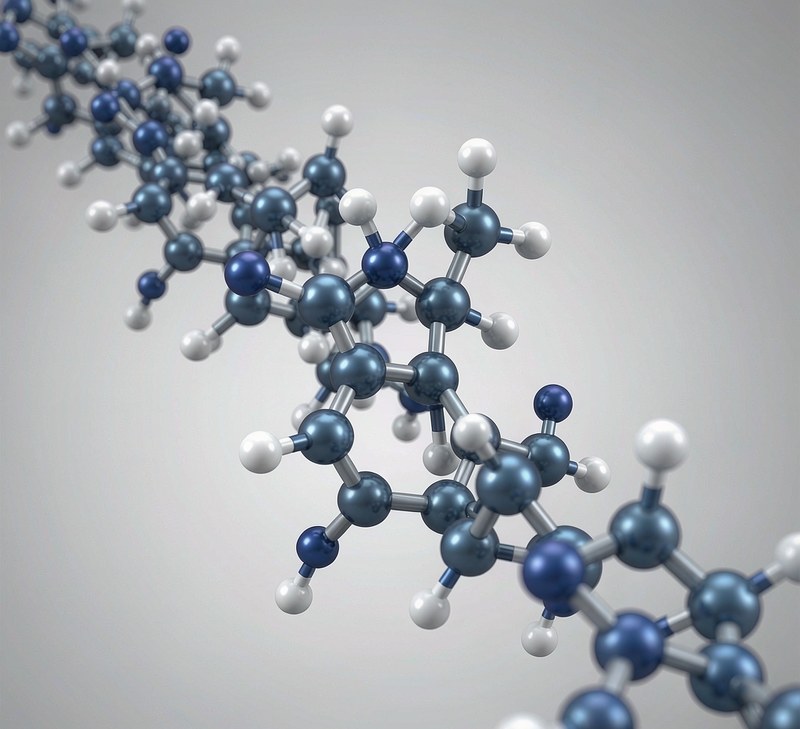
PVA hydrogel earns its place in demanding formulations through the way it is built: crystalline crosslinks grown by temperature cycling instead of chemical additives.
The regular linear structure of PVA and its abundant hydroxyl groups form ordered crystalline domains through hydrogen bonding during repeated freeze–thaw cycles. These crystallites act as physical crosslink points, so no external crosslinking agents are needed. The result is a high-purity gel with a mild, facile gelation process — a key reason physically crosslinked PVA hydrogels are preferred for tissue engineering, drug delivery and wound dressing work.
Freeze–thaw PVA hydrogels show remarkable mechanical strength, good elasticity and dimensional stability under load.
Hydrophilic hydroxyl groups hold a high fraction of water inside the network, giving a smooth-surfaced, soft yet resilient material.
PVA itself is a water-soluble, biocompatible and biodegradable polymer widely applied across biomedical fields.
Once crystallized, the network is insoluble in water at room temperature, keeping shape and performance during use.
PVA hydrogel is a three-dimensional polymer network prepared from an aqueous polyvinyl alcohol solution that has been solidified into a water-swollen gel. Its defining feature is the crosslinking chemistry: instead of adding chemical crosslinking agents, the solution is cycled between freezing and thawing, which drives PVA chains into ordered crystalline domains that lock the network together.
Because gelation happens under mild conditions with no reactive additives, the finished gel keeps the high purity of the parent polymer. The material combines a smooth surface, high water content and strong mechanical performance, which makes it a reliable platform for biomedical research and industrial formulations alike.
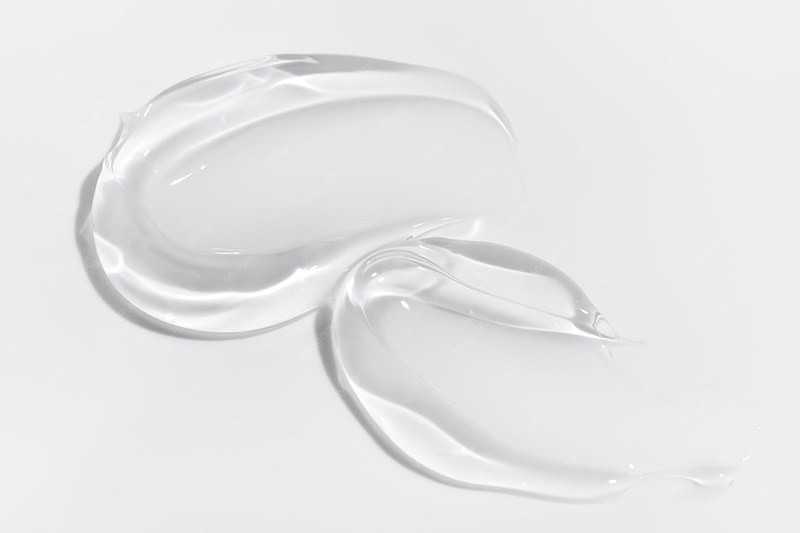
Gel strength and swelling capacity are tuned by the number of freeze–thaw cycles, the freezing temperature, the molecular weight and the degree of hydrolysis of the PVA grade.
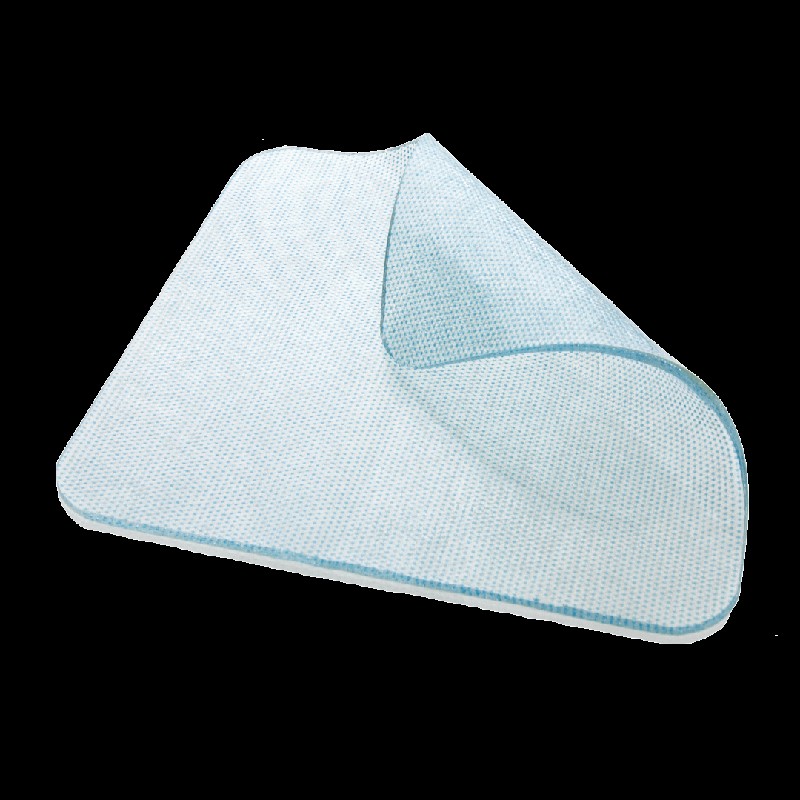
Physically crosslinked PVA hydrogels are preferred in biomedical work because of their high purity, mild gelation conditions and the complete absence of external crosslinking agents. From wound contact layers to cell culture substrates, the material provides a stable, water-rich interface that can be tuned for stiffness and swelling.
Mucoadhesive, high-water-content gels keep the wound bed moist and can carry active ingredients with controlled release.
The crystalline network controls diffusion, so release profiles can be shaped by crosslinking density and gel geometry.
Water-rich, biocompatible scaffolds support cell studies, with stiffness matched through concentration and cycle count.
Cartilage and meniscus research, contact-layer components and other device studies use PVA gel for its elastic, lubricious feel.
PVA is dissolved in water at 10 wt% concentration or higher. Molecular weight and degree of hydrolysis of the chosen grade set the baseline for the final gel.
The solution is held at −10 °C to −40 °C for 12–24 hours. Ice crystals concentrate the polymer into rich phases where chains begin to order.
Warming back to 25 °C for 1–3 hours lets hydrogen bonds reorganize. A slow thawing rate, below 10 °C per minute, enhances PVA crystallization.
Each additional freeze–thaw cycle grows more crystalline domains, raising strength and crosslinking density while lowering water uptake.
The result is a physically crosslinked, water-insoluble gel with a smooth surface, high water content and elastic mechanical behavior.
A PVA concentration of 10 wt% is the practical minimum in gelation work. Higher concentration raises mechanical strength and stability, but also reduces pore size and water uptake.
Fully hydrolyzed PVA at about 98.5% produces stronger gels than partially hydrolyzed grades at 88%. Choose the level that matches your strength and swelling targets.
Cycle number is the main tuning dial: more cycles increase crystallinity, strength and crosslinking density, while reducing adhesion and swelling capacity.
Keep the thawing rate below 10 °C per minute; studies going as slow as 0.2 °C per minute report enhanced crystallization and stronger networks.
PVA hydrogel is a water-swollen network of polyvinyl alcohol chains. An aqueous PVA solution is converted into a solid gel whose chains are locked together by crystalline domains formed during freeze–thaw cycling.
The abundant hydroxyl groups on PVA form intra- and intermolecular hydrogen bonds during freezing. Repeated cycles turn these ordered regions into crystallites that act as physical crosslink points, so no chemical crosslinking agents are required.
No. Once the crystalline network has formed, PVA hydrogel is insoluble in water at room temperature, which is why it keeps its shape during storage and use.
Fully hydrolyzed PVA, around 98.5% hydrolysis, forms stronger gels than partially hydrolyzed grades at 88%. Higher molecular weight and higher solution concentration also push strength upward.
PVA is a biocompatible, biodegradable polymer, and physically crosslinked PVA hydrogels are widely studied for wound dressings, drug delivery and tissue engineering because of their high purity and additive-free gelation.
Anhui Liwei also supplies PVA powder, PVA film, PVA fiber and related raw materials. Browse the complete product portfolio on our main site.
Scan to chat with Fred Wang on WhatsApp, or reach us directly by phone, email or Skype for PVA hydrogel grades, quotations and technical discussion. Inquiries are answered with grade recommendations based on your gel strength and swelling targets.